What “caregiver jobs near me” actually means and how to target the right roles
Typing caregiver jobs near me into a search bar can surface a wide range of opportunities—some that fit your skills and schedule perfectly, and others that don’t. Understanding the landscape helps you focus your time where it counts. Caregiving roles span several settings: private homes with one-on-one home care, assisted living communities that support many residents, skilled nursing facilities, memory care units, hospice organizations, hospitals, and rehabilitation centers. Each environment uses caregivers differently, from companionship and ADL support to clinical tasks under supervision.
The job titles vary as well. A personal care aide or companion may focus on safety, socialization, meal prep, and transportation. CNA (Certified Nursing Assistant) and HHA (Home Health Aide) roles can involve more hands-on support such as bathing, dressing, ambulation, transfers, and vital signs—often under the direction of a nurse. Specialized positions include dementia caregivers, hospice aides, and respite caregivers who temporarily relieve a family caregiver. Clarify whether the job is W-2 through an agency or facility, or a direct-hire 1099 arrangement with a family; this impacts taxes, benefits, and liability coverage.
Local requirements matter. Many states set specific training hours for HHAs, registry status for CNAs, and documentation like TB screening, immunizations, background checks, CPR/First Aid, and driver’s license/auto insurance for roles that include transportation. Compensation is influenced by certification level, shift type (overnights, weekends, short shifts), complexity of care (e.g., Hoyer lift experience or catheter care), and local cost of living. Suburban and rural areas may pay differently than city centers; travel time and mileage can also be part of the offer. Don’t overlook schedule fit: agencies and families often seek caregivers who can work consistent blocks, handle last-minute fill-ins, or cover holidays—flexibility can lead to faster placement and higher rates.
Finally, think beyond a single zip code. A practical radius—often 10–20 miles—expands options while keeping commute times manageable. Public transit access, parking, and neighborhood traffic patterns can make or break a job’s sustainability. When scanning local postings, match them against your non-negotiables (shift length, break policy, lifting requirements) and your growth goals (e.g., dementia specialization or hospice experience). Tuning your search to these details transforms a broad query into a targeted, high-yield job hunt.
Proven strategies to find local caregiver openings quickly (and safely)
Start by using niche job boards and community-driven listings that focus on senior care and home support. Platforms where families, agencies, and facilities post local shifts often let you filter by zip code, radius, certification, pay range, and availability. As you scan options, remember that information in listings and profiles may be provided by users; treat it as a starting point and verify details directly with the poster or employer. One efficient tactic is to browse and apply through specialized sites dedicated to caregiver jobs near me, then follow up with a short, personalized message highlighting your credentials and local availability.
Go beyond online tools. Call nearby assisted living and memory care communities to ask about open shifts; many maintain their own applicant pools. Check bulletin boards at community centers, faith-based organizations, CNA schools, and workforce development offices. Attend local job fairs hosted by home care agencies and healthcare systems; bring copies of your resume, certification cards, and reference list. For private-duty roles, local caregiver support groups and senior centers can be valuable networking hubs where families ask for recommendations.
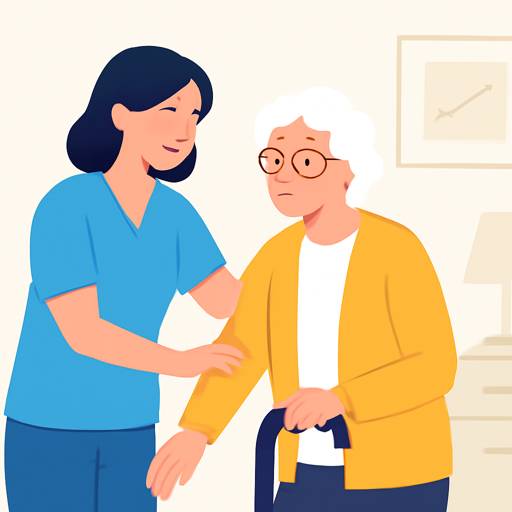
Optimize your resume and profile for local intent. Include the neighborhoods or zip codes you serve, your comfortable mileage radius, access to a reliable vehicle, and public transit proficiency. List key skills and tools—safe transfer techniques, dementia communication strategies, Hoyer lift, gait belt, infection control, medication reminders—and specify shift preferences (overnights, live-in, weekends). Add quantifiable impact: “Supported five clients with mobility challenges, reducing falls to zero over six months” or “Managed meal planning compliant with diabetic diets.”
Due diligence is essential. Confirm details such as pay rate, overtime rules, pay frequency, classification (W-2 vs. 1099), mileage reimbursement, and who provides care supplies or protective equipment. For agency roles, ask about supervision, training, and coverage if a shift becomes unsafe. For private families, verify the care plan in writing, clarify who is authorized to give instructions, and agree on boundaries for tasks (e.g., no heavy yard work if it isn’t part of the role). Meet in a public place for initial discussions when possible, and be cautious about requests for upfront payments or sensitive personal data before an offer. A quick online check of the employer or agency name, state licensing (where applicable), and references can save time and protect your safety. Thorough communication and documentation ensure a professional start and help you build trust locally.
How to excel once you land a nearby caregiver role: skills, routines, and growth
Success in a local caregiving position comes from a blend of technical skill, reliability, and compassionate presence. Begin by clarifying the plan of care for each client. Understand ADL priorities (bathing, dressing, toileting, grooming, feeding), mobility support, dietary needs, medication reminders, and any special precautions (fall risk, wandering risk, skin integrity). Confirm the daily routine—wake-up times, appointments, therapy exercises, and preferred meals. Good documentation, even for private assignments, reduces misunderstandings: brief notes on activities completed, vitals (if required), mood changes, intake/output, and safety concerns form a professional record and support continuity of care.
Communication is pivotal. Introduce changes gently, use calm tone and validation—especially in dementia care—and check comprehension frequently. With families, provide concise, factual updates and propose solutions rather than only reporting problems. With agencies or facility supervisors, report promptly when tasks fall outside scope or when a client’s condition changes. Boundaries protect both you and the client: confirm which tasks are included, what to do in emergencies, and when to seek help. Maintain infection control standards, proper body mechanics for lifting, and safe transfer techniques. If a Hoyer lift or other device is used, ask for a refresher before solo operation.
Real-world example: a local morning-shift caregiver supports a client with Parkinson’s. The routine includes safe bed-to-chair transfer with a gait belt, medication reminder with water and high-protein breakfast, timed toileting to reduce urgency, and a short outdoor walk if weather permits. The caregiver prepares a simple lunch, logs tremor intensity and gait stability, messages the family about any changes, and sets up the client’s afternoon therapy exercises. In this scenario, punctuality, fall-prevention awareness, and consistent communication are the differentiators that keep the case long-term.
Professional growth is within reach locally. Add credentials like CNA, HHA, CPR/First Aid, or state-specific dementia or medication aide training to access higher-paying shifts. Seek continuing education on hospice comfort measures, diabetes management, or safe transfers to expand your case options. Build a strong reputation by being dependable, on time, and solution-oriented—word spreads among families, agency schedulers, and facility managers. Track your availability, commute preferences, and outcomes (e.g., reduced falls, improved nutrition adherence) to negotiate better rates. Finally, invest in self-care: hydrate, use supportive footwear, schedule rest between shifts, and debrief with trusted peers. A balanced routine sustains the empathy, patience, and energy that make local caregivers indispensable in their communities.

Madrid linguist teaching in Seoul’s K-startup campus. Sara dissects multilingual branding, kimchi microbiomes, and mindful note-taking with fountain pens. She runs a weekend book-exchange café where tapas meet tteokbokki.